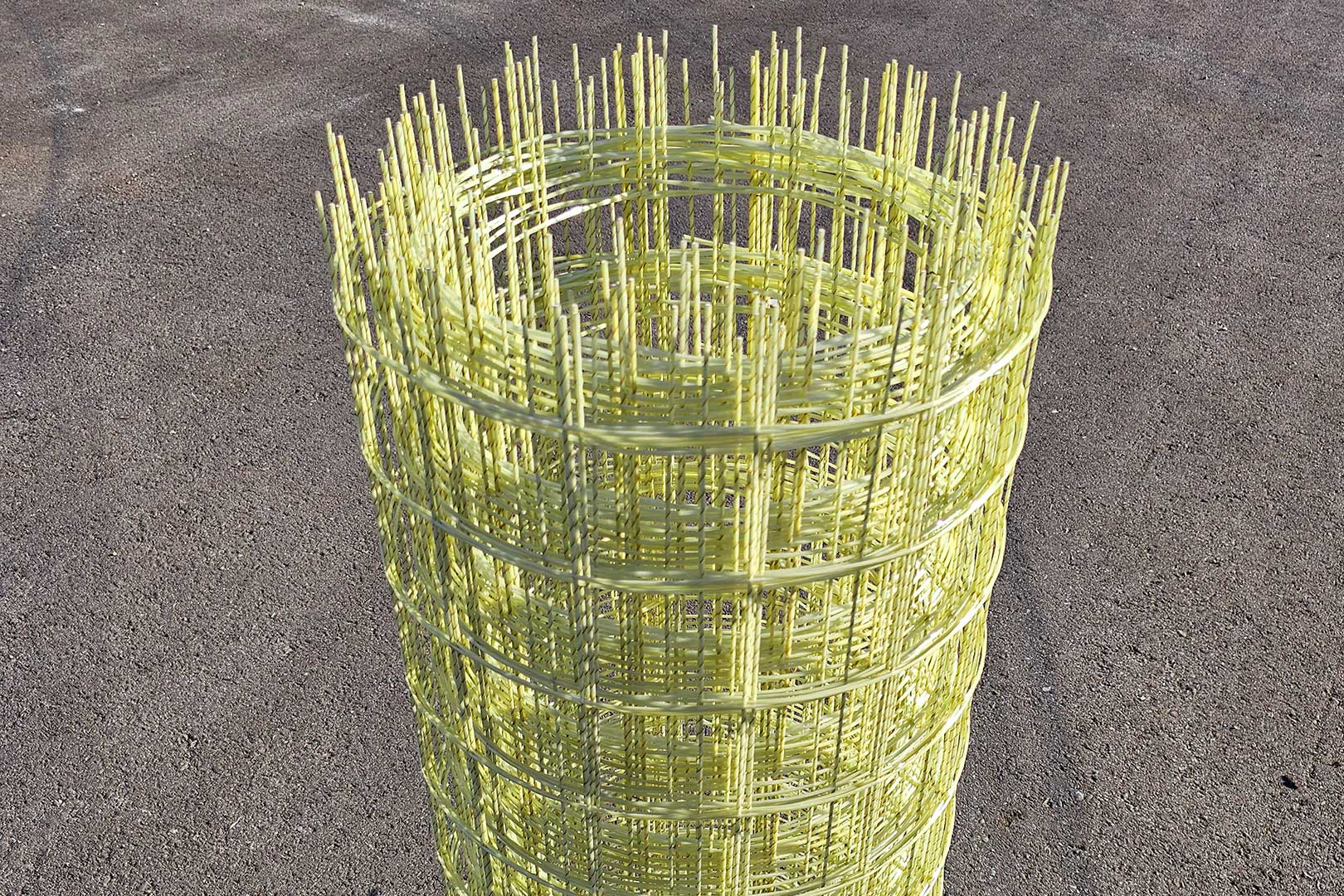
An excellent alternative to metal rebars: sturdy, robust, and lightweight.

GFRP Rebar | Composite Rebar

What is a GFRP rebar and Why Should You Consider It?

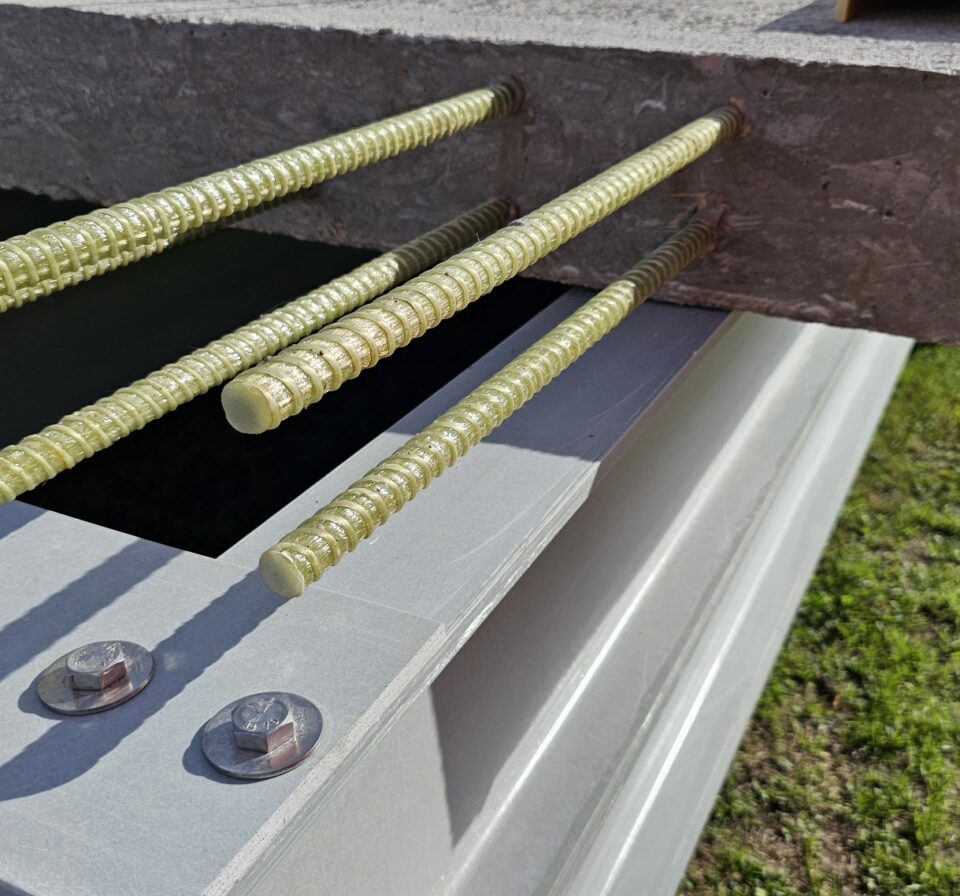
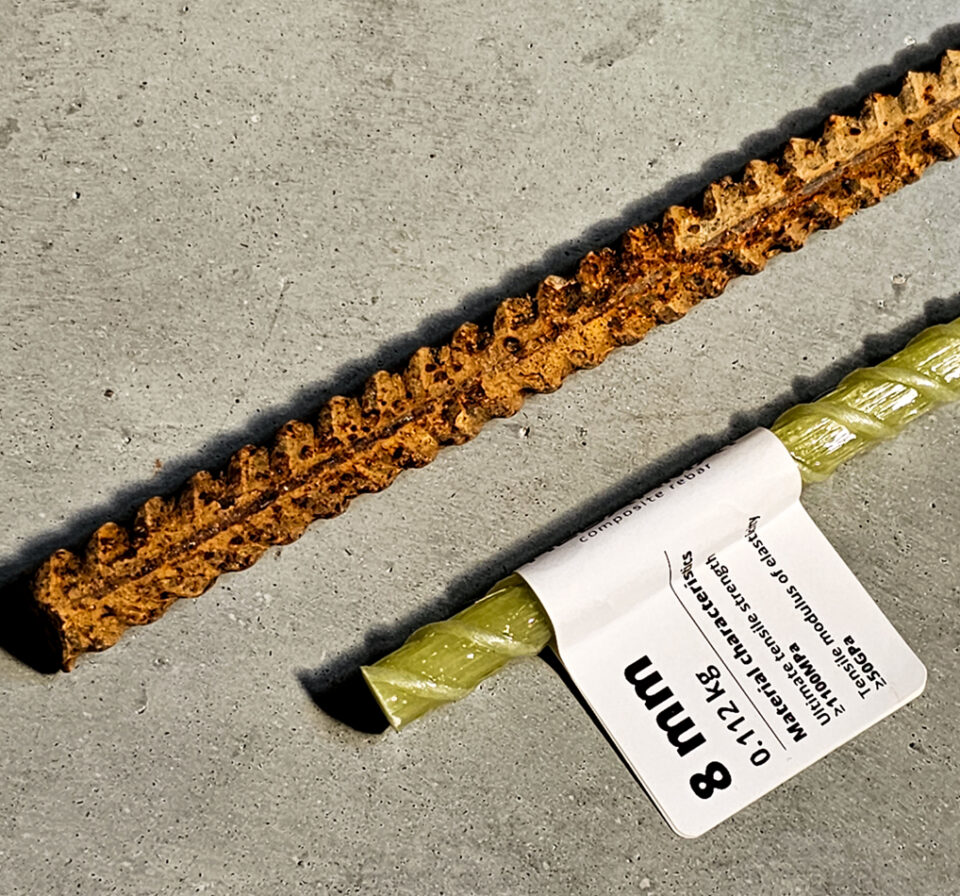
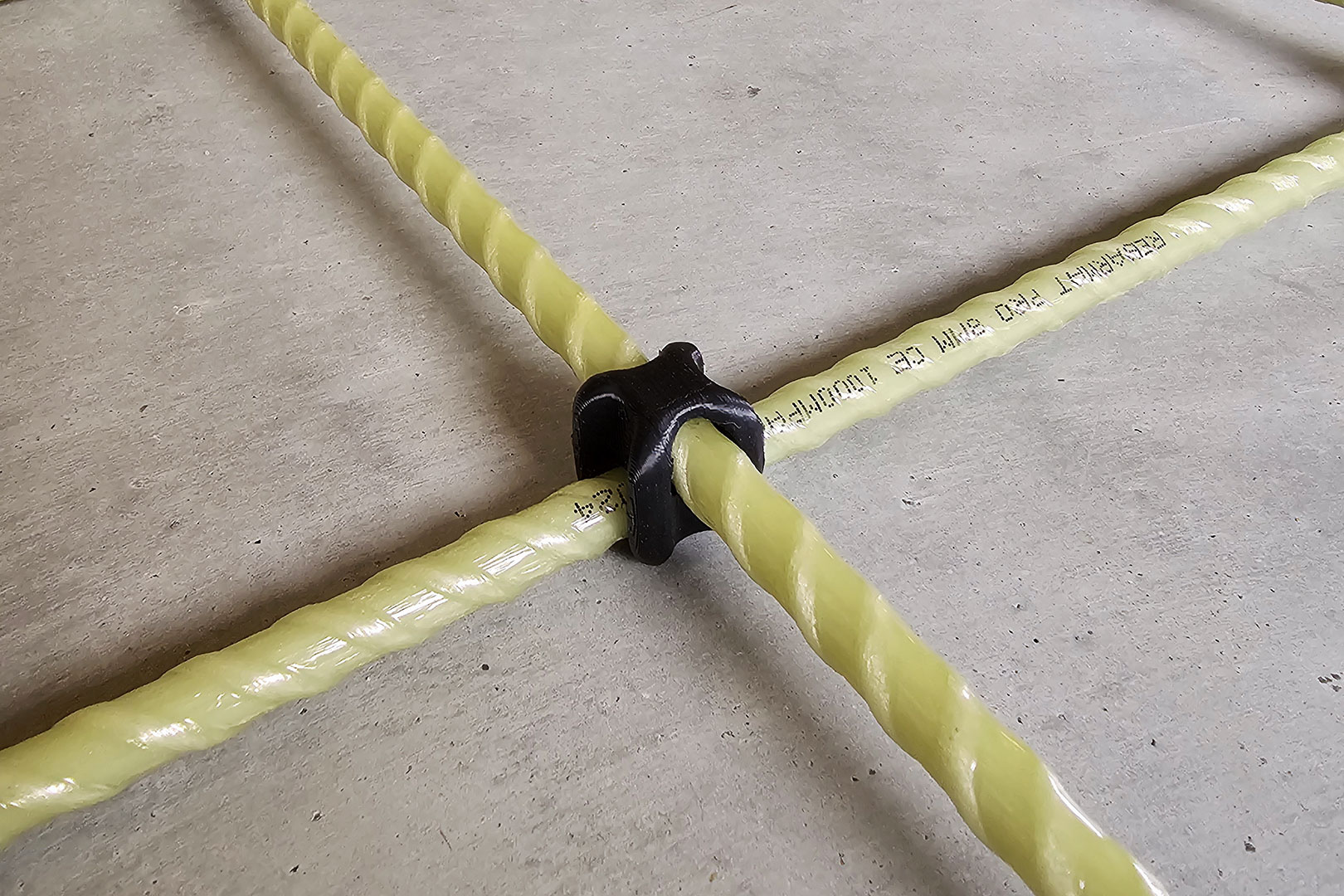
GFRP (Glass Fiber Reinforced Polymer) rebar is an innovative building material that offers a highly efficient alternative to traditional steel reinforcement in concrete structures. Made from multiple strands of fiberglass saturated with a thermo-reactive epoxy resin, GFRP rebar provides exceptional mechanical properties, including high tensile strength and durability. The surface of GFRP rebar is typically designed with a ribbed or spiral pattern, which improves adhesion between the rebar and concrete or bituminous materials, thereby enhancing the overall bond strength and structural integrity.

FRP reinforcement, including GFRP rebar, significantly enhances the durability of structures due to its resistance to corrosion and chemicals. Unlike steel, GFRP does not rust, making it ideal for use in environments where corrosion is a major concern, such as coastal or chemically aggressive environments. Its high tensile strength allows GFRP to handle heavy loads effectively, which is beneficial in projects where reducing the overall weight of the structure is critical. Additionally, GFRP’s non-conductive properties make it suitable for applications that require materials with electrical insulation characteristics, offering an alternative to steel in specific technical applications.

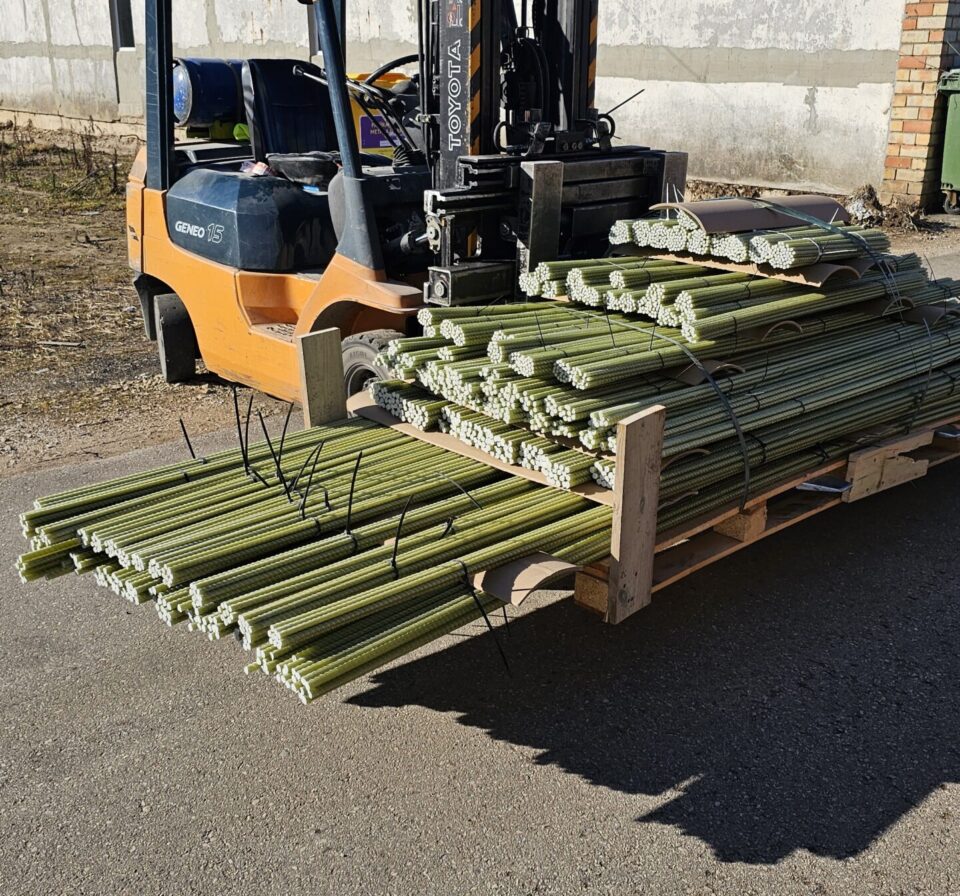
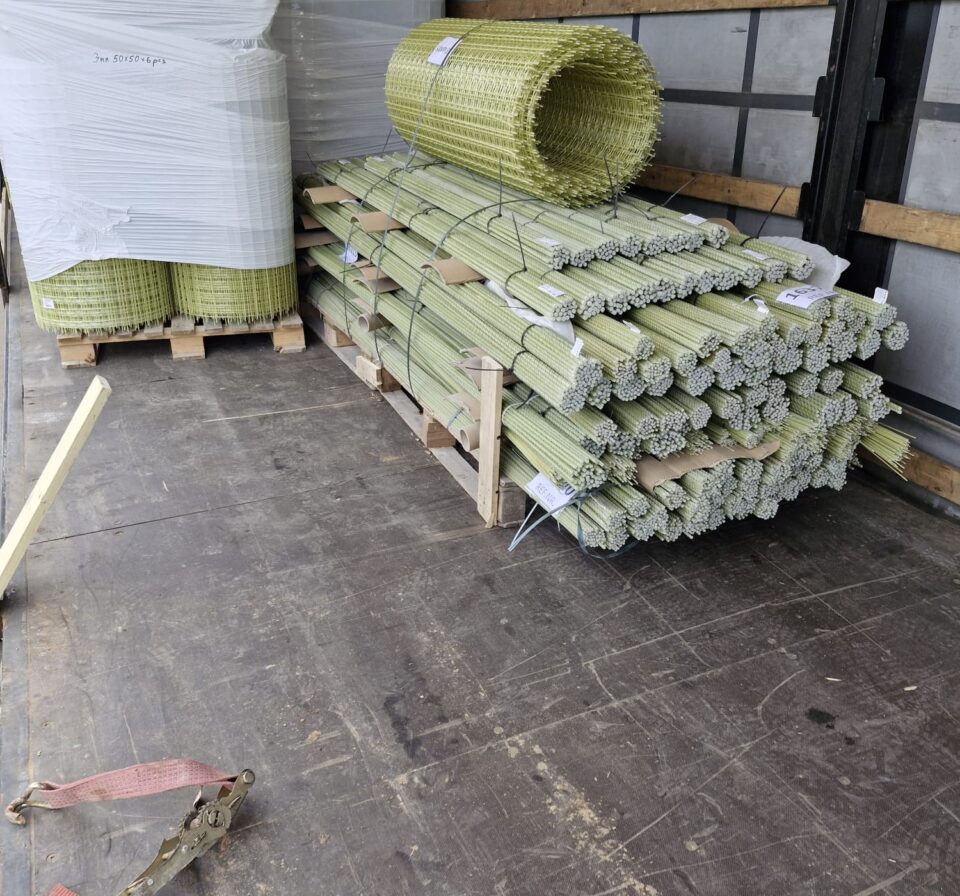
The lightweight nature of GFRP rebar, combined with its low thermal conductivity and resistance to extreme environments, further underscores its advantages over conventional materials. GFRP rebars are available in standard lengths as well as coils up to 300 meters, reducing transportation and installation costs due to their ease of handling. The use of GFRP in construction projects can also shorten the construction period and extend the lifespan of structures because of its corrosion resistance and long-term durability.

Our high-quality GFRP rebars are manufactured using automated processes and cutting-edge technology. As producers, we maintain competitive prices and superior quality by sourcing raw materials from trusted European suppliers and adhering to the latest European Union regulations.

Outperforming Steel, Outlasting Time.

OUR GFRP REBAR IN NUMBERS

Geometry and structure

Bar diameter

6 mm – 12 mm

Density

2.2 g/cm³

Tensile Strength

≥ 1100 MPa

8 mm rebar weight

0.112 kg/m

Type of packaging

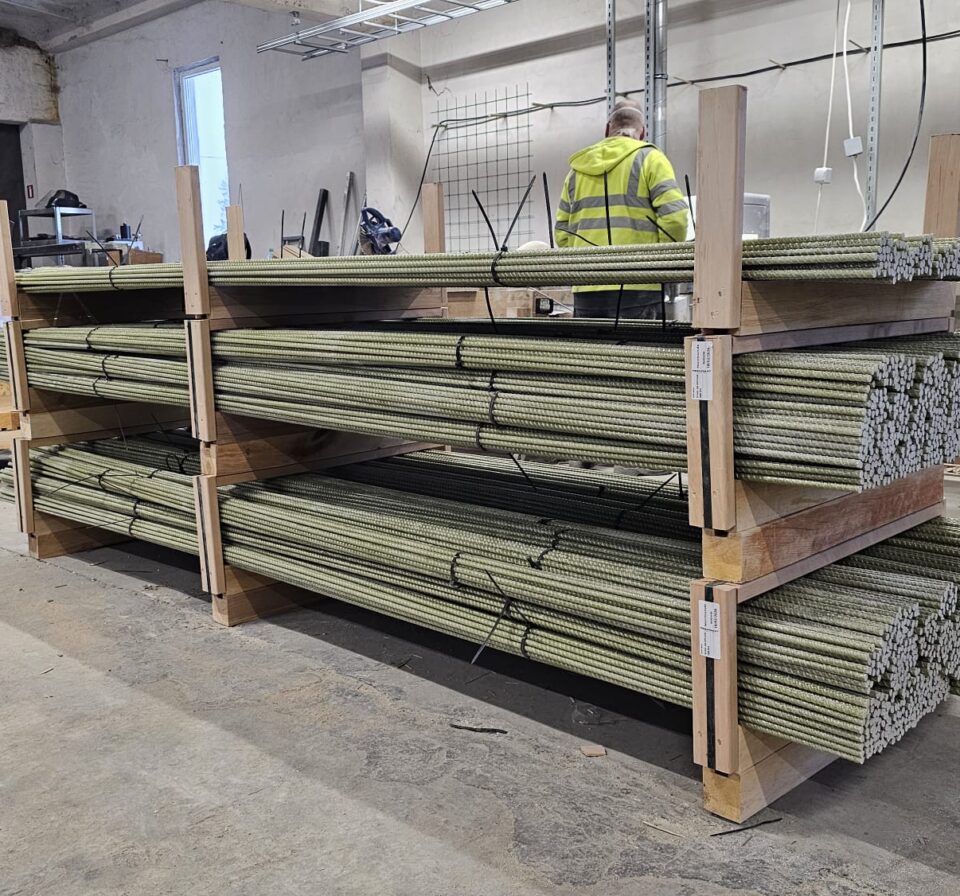
Standard Length Coils

50m, 100m

Standard Length Bars

3m, 6m, other – on request

Standard Coil Size

800mm, 1000mm, 1300mm

Meters Per Pallet (coils)

Up to 8500m

Bars Per Pack

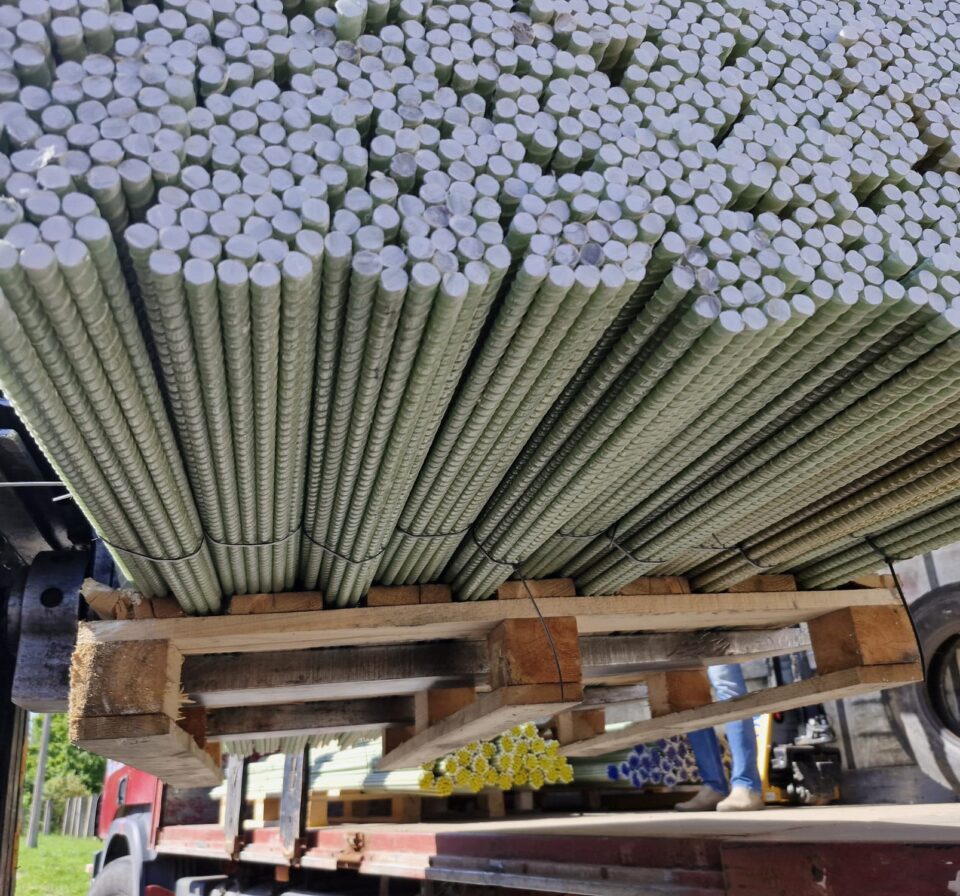
Up to 500pcs

Reliability confirmed by certificates

Service Life

100 years

Certification

EAD 260023-00-0301, ISO 9001

Areas of Application of FRP Rebar

Outperforming Steel, Outlasting Time: Composite Rebar is the Ultimate Solution

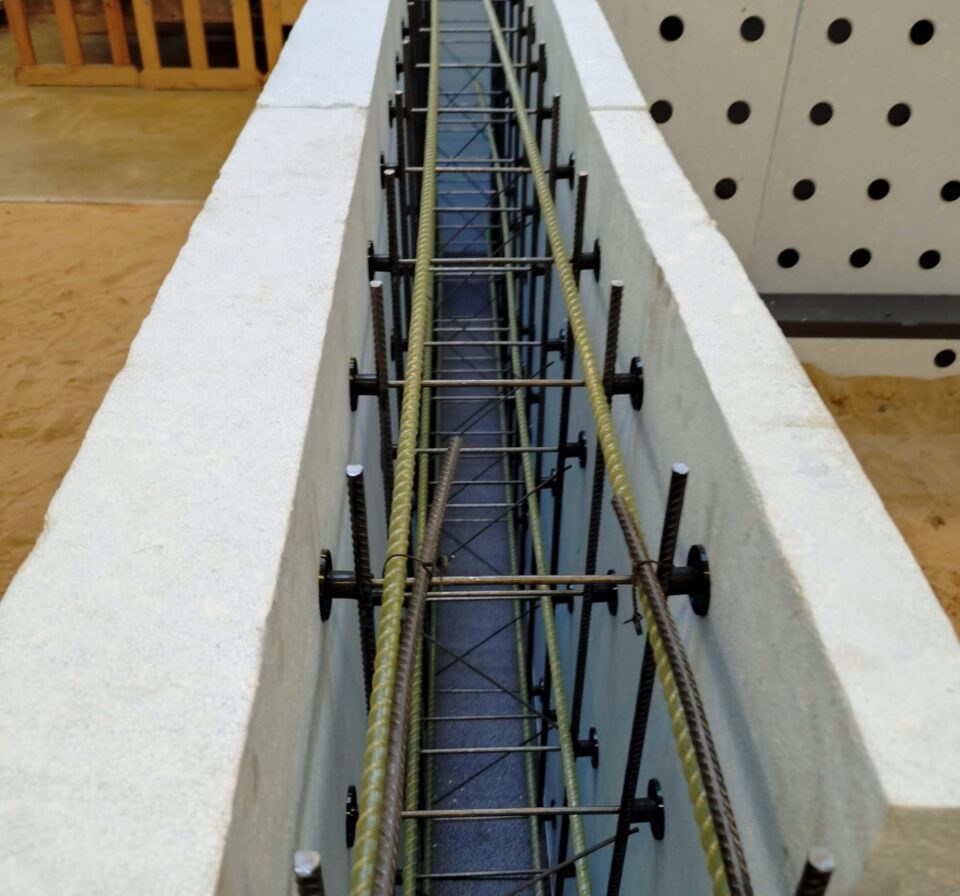
Foundations and walls

Reinforcing foundations and walls is crucial to ensuring the stability and longevity of any construction project. Traditionally, steel rebar has been the standard, but the emergence of composite reinforcement has brought significant improvements. Fiber-reinforced polymer bars provide key advantages, especially in terms of corrosion resistance, offering a superior alternative to steel.

By reducing the risk of rust and deterioration, composite rebar maintains the structural integrity of concrete, making it particularly suited for use in harsh environments. Its resistance to moisture, chemicals, and salts makes it ideal for coastal regions or industrial settings. Additionally, this material enhances the bond with concrete, preserving the overall strength and unity of the structure, ensuring long-lasting durability in challenging conditions.

Road and Bridge Construction

In road and bridge construction, particularly for bridge decks, the use of composite rebar is becoming more widespread, especially in environments exposed to de-icing salts or marine conditions. Its superior chemical resistance, along with excellent mechanical properties, makes it a highly suitable material for these demanding settings. The lightweight nature of this reinforcement simplifies both handling and installation, leading to reduced labor and equipment costs.

Additionally, using fiber-reinforced polymer bars helps lower overall project expenses while ensuring the structure meets strict safety and durability standards. Although still less common than steel, this type of reinforcement is increasingly valued for its corrosion resistance, as demonstrated in several high-profile projects in the U.S. and Canada.

Shore and Water Object Reinforcement

For reinforcing marine structures such as piers, docks, and seawalls, composite rebar proves to be highly effective. Its excellent resistance to saltwater corrosion, combined with a high strength-to-weight ratio, makes it a reliable alternative to traditional steel in these environments. The fiber-reinforced composition ensures that structures remain intact and functional, even under the most challenging conditions, reducing the risks of deterioration that typically affect metal reinforcement.

Across the European Union and globally, this type of rebar is increasingly recognized for lowering maintenance needs and extending the service life of marine structures. Its use aligns with sustainability goals and meets regulatory requirements. As it complies with EU standards like Eurocode 2 for concrete structures, composite rebar is being adopted more widely in areas where corrosion resistance is critical. Globally, its application is expanding as more projects focus on reducing long-term environmental and financial costs.

FAQ – Rebarmat GFRP Rebars

Why should I choose GFRP rebar over traditional steel rebar?

GFRP rebars offer several advantages over traditional steel, including superior corrosion resistance, lighter weight, and higher tensile strength. In environments exposed to moisture, chemicals, or salt, GFRP significantly extends the lifespan of structures, reducing maintenance and replacement costs over time.

How does GFRP rebar impact the cost of a project?

While the initial cost of GFRP rebar is higher than steel, the long-term savings are substantial. GFRP's durability means fewer repairs and less maintenance, especially in harsh environments. Additionally, its lightweight nature reduces transportation and handling costs, making it an overall cost-effective solution for many construction projects.

Is GFRP rebar suitable for all types of projects?

GFRP rebar is ideal for a wide range of applications, particularly in environments prone to corrosion, such as coastal, marine, and industrial settings. It’s also well-suited for infrastructure projects requiring long-term durability. While it may not be suitable for projects requiring very high stiffness, its performance in most reinforcement applications makes it a preferred choice for many.

Does GFRP require more or less concrete cover than steel?

GFRP rebar requires less concrete cover than steel, as it does not corrode. This can result in savings on material costs and help streamline the construction process while still meeting safety and durability standards.

What is the lifespan of GFRP rebar?

GFRP rebar has a lifespan of over 100 years in optimal conditions, far exceeding the typical lifespan of steel rebar in corrosive environments. This makes it the perfect choice for long-term infrastructure projects where durability and minimal maintenance are crucial.
REBARMAT® GFRP reinforcement:

OUR OTHER PRODUCTS

Rebarmat_Mesh

REBARMAT® FRP mesh is an innovative alternative to traditional A/B class steel construction mesh, offering enhanced properties and performance.

Rebarmat System

REBARMAT® Mesh System features large 2.3m x 6m sheets made from welded GFRP rebars. It offers exceptional strength, along with superior durability and corrosion resistance.

Rebarmat Round

ROUND Rebars are designed for the light precast industry and specialized applications. These GFRP rebars provide excellent strength, corrosion resistance, and lightweight handling, making them ideal for precision projects.

Rebarmat UV

UV Rebars are engineered for use in sun-exposed environments, such as agricultural and outdoor structures. With enhanced UV resistance, they offer lasting durability and reliable performance under prolonged sunlight.

Rebarmat Mesh UV

UV Mesh is ideal for sun-exposed applications, including green wall facades that support plant growth. Its UV resistance ensures long-lasting durability and reliable performance in outdoor environments.